For Your Home
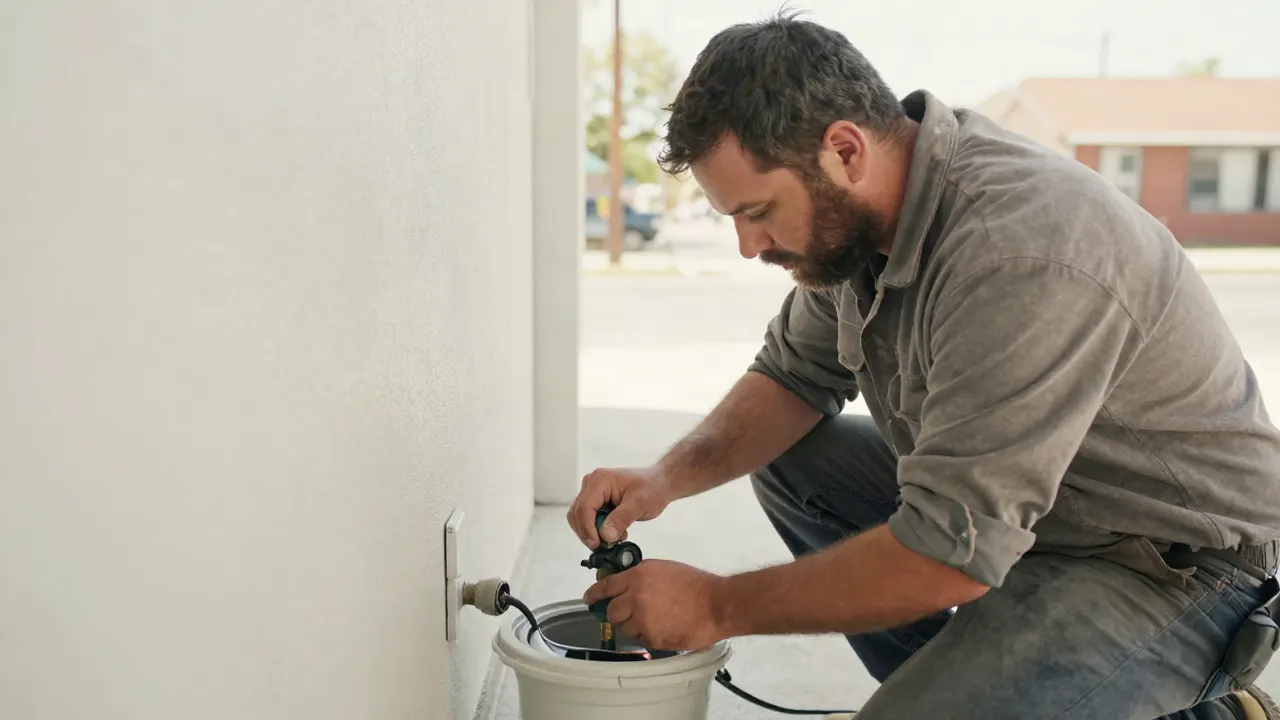
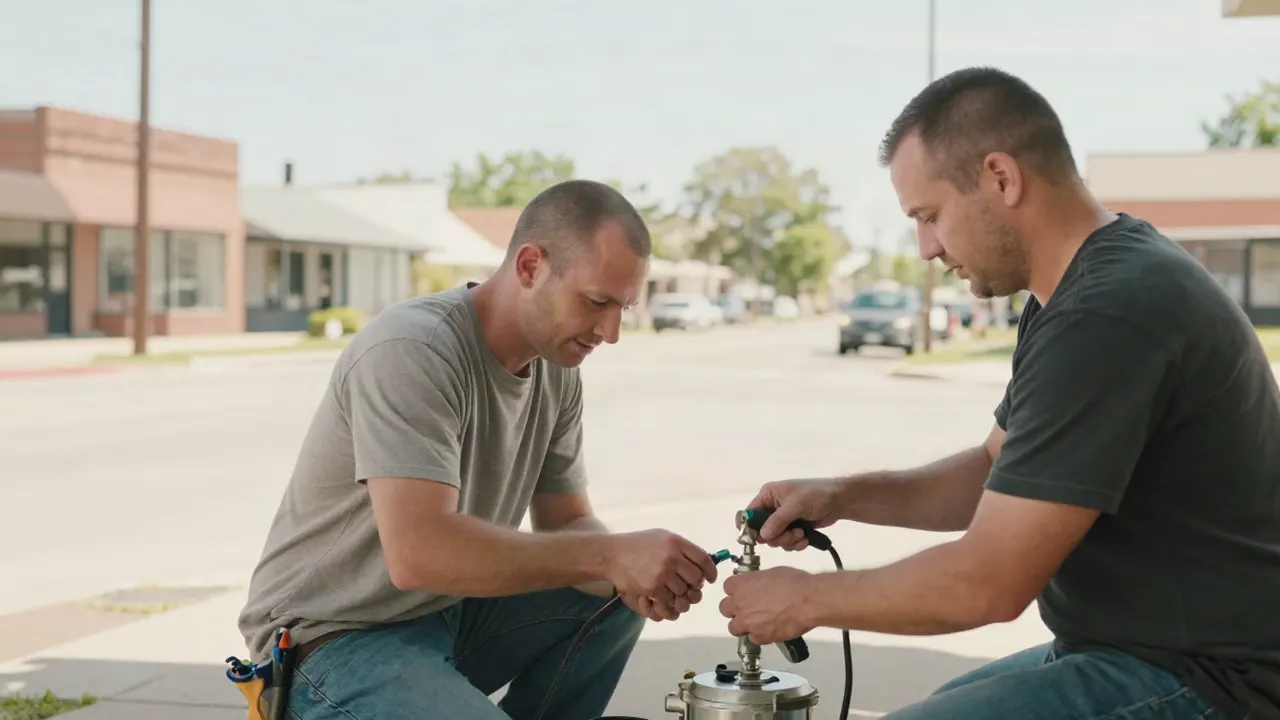
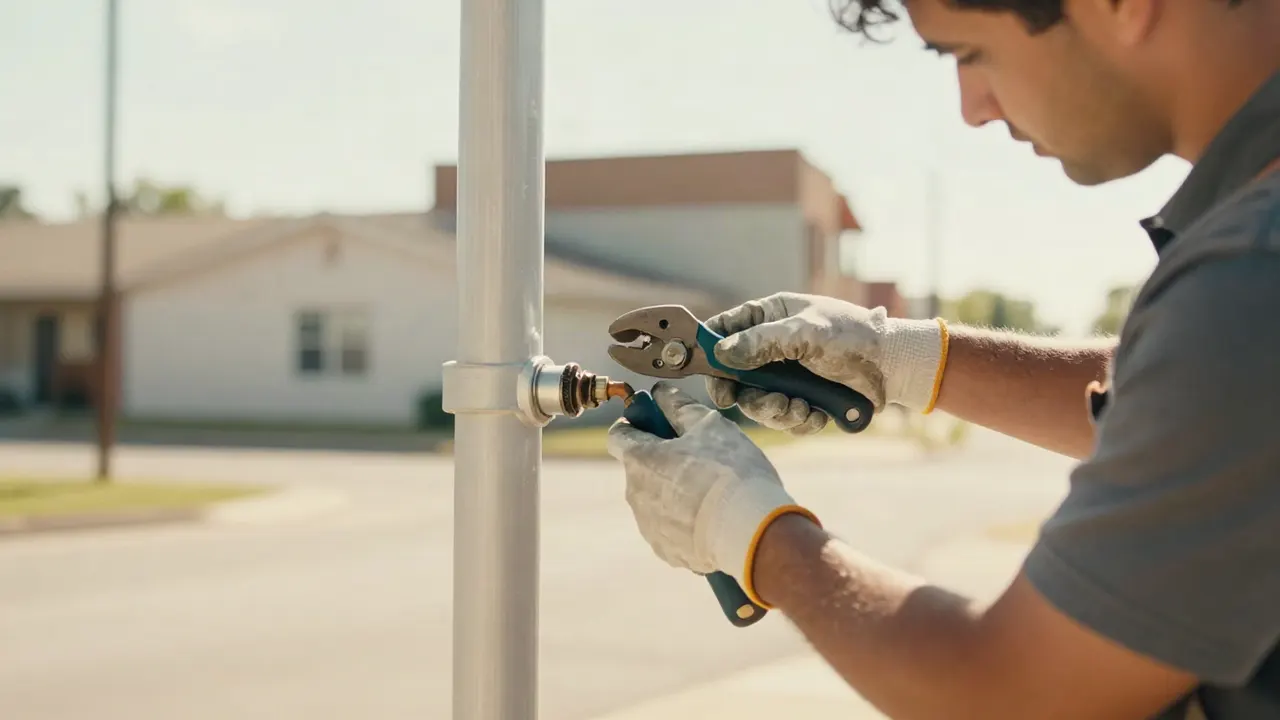
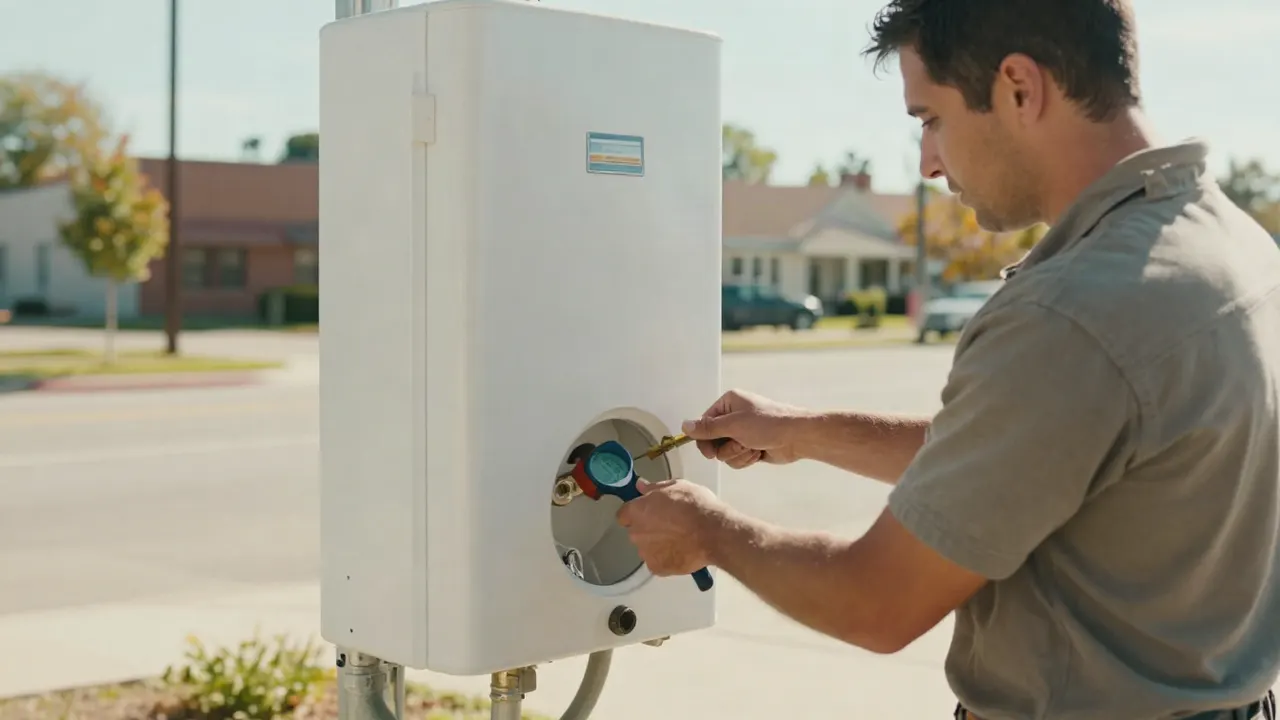
We run and repair gas lines for ranges, dryers, water heaters, and outdoor grills. Every joint is sealed and pressure-tested before we leave.
- New range or dryer hookup
- Gas smell near an appliance
- Outdoor grill or fire pit line
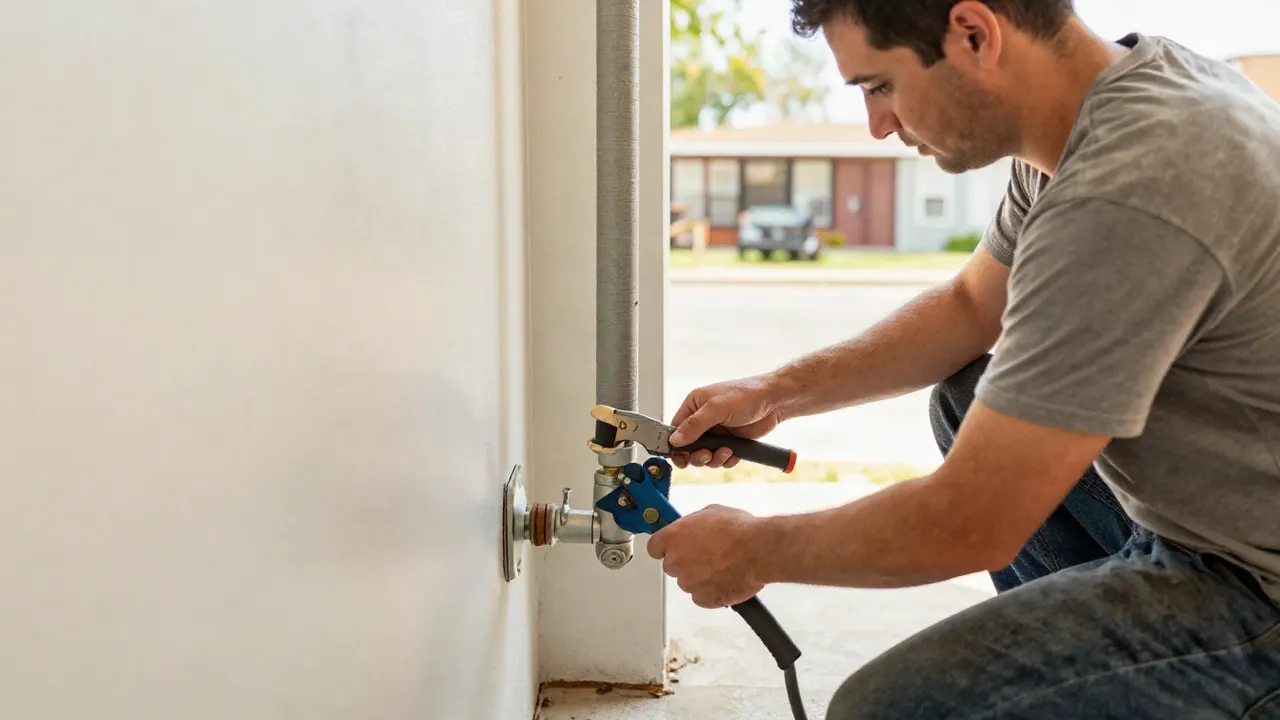
When you need gas line installation and repair Weatherford TX homeowners trust, we handle the whole job: locating the line, cutting and fitting new pipe, pressure-testing, and tagging off at the meter. Our techs carry gas line service in Weatherford TX for everything from a single stove hookup to a full replacement run. One call, one crew, code-correct work.
 Pressure-test every runLeak detection cameraCode-correct materials
Every gas line job is different, but most include the same core work. Here is what you get when you book us for gas line installation or repair in Weatherford. If something falls outside this list, we tell you before we start.
We walk the route with you, measure the run, and check for obstacles like slab, crawlspace, or landscaping. You see the plan before we cut anything. This step takes 15 to 20 minutes and prevents surprises later.
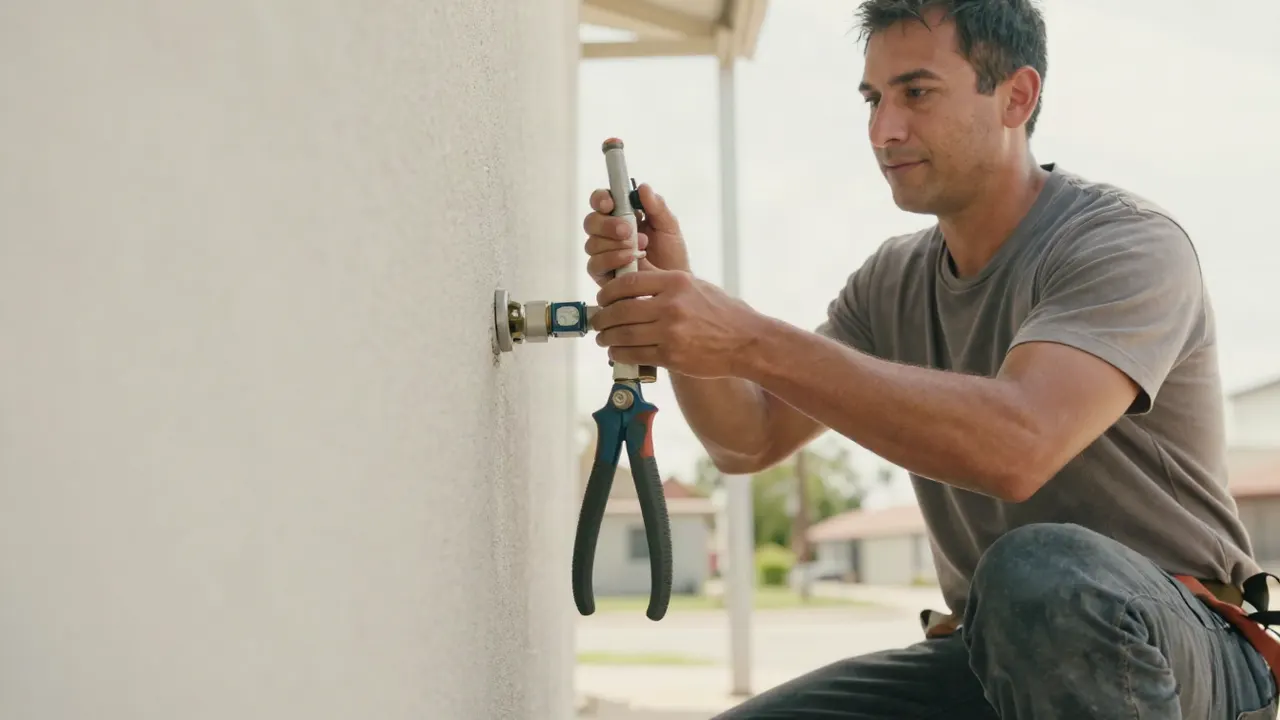
We cut and fit copper pipe, PEX tubing, or black steel to the correct length. Every threaded joint gets pipe thread sealant and Teflon tape. We use pipe cutters and press tools to get clean, square cuts that seal properly.
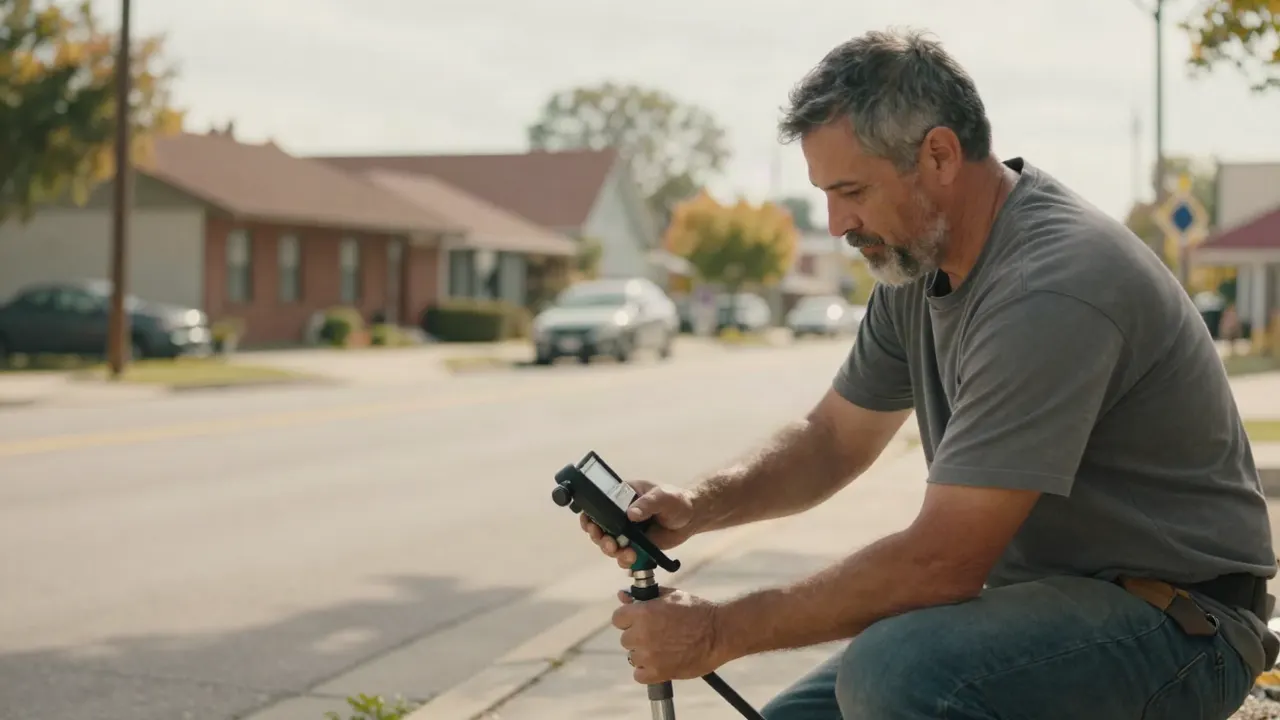
After the line is installed, we cap it and pressurize the system. We hold the gauge for 15 to 30 minutes to confirm zero drop. If it fails, we find the leak, fix it, and test again. We do not reconnect the meter until it passes.
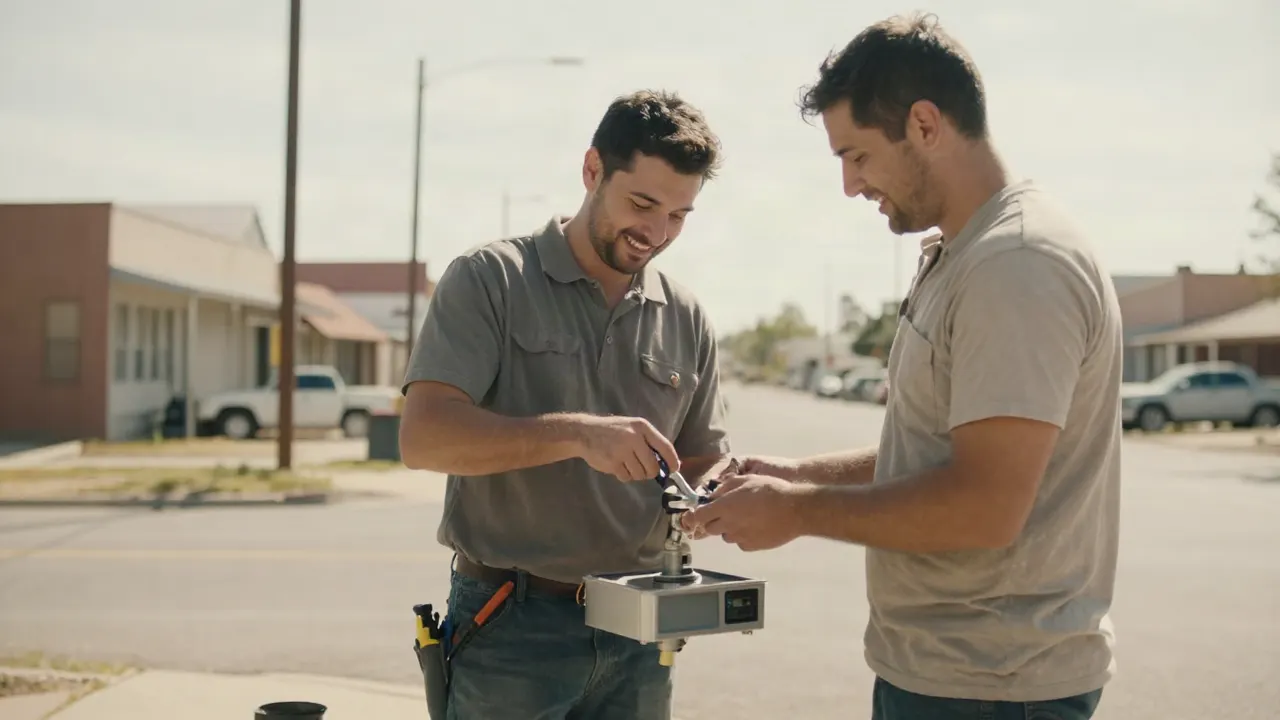
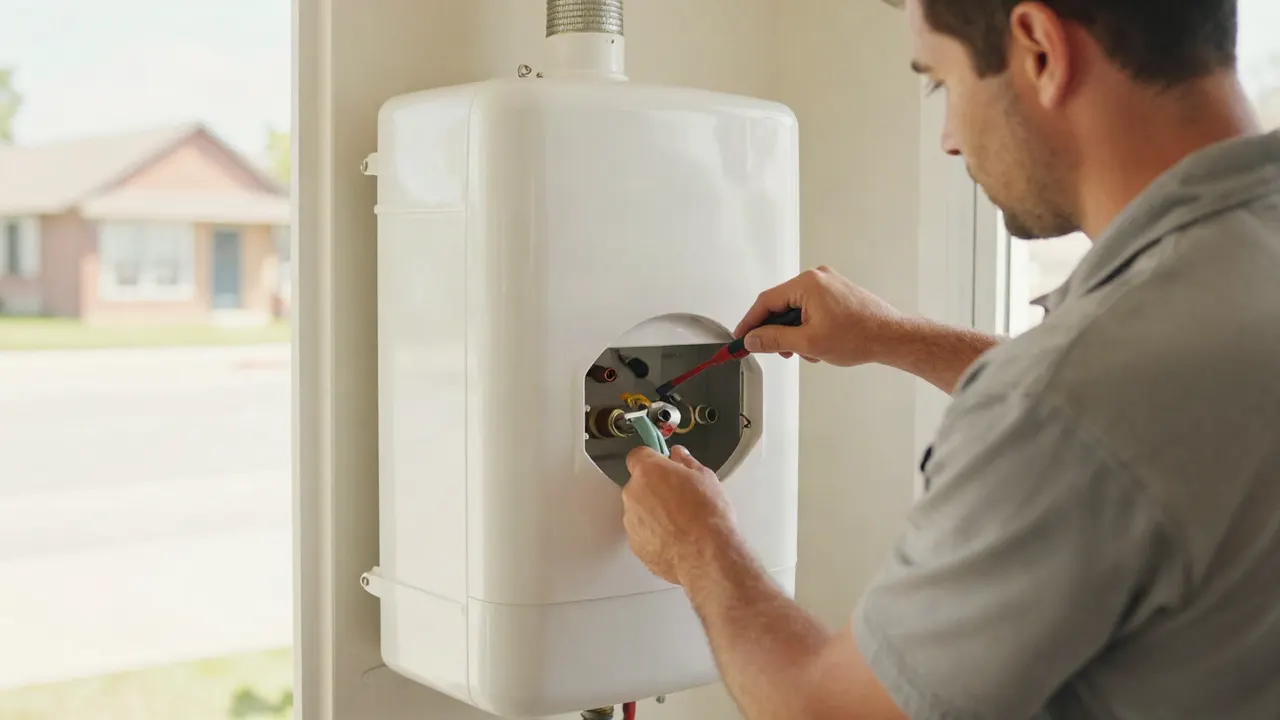
We connect the line to your range, dryer, water heater, or grill, light the appliance, and check for proper flame and draft. You get a walkthrough of the new shutoff and a clear explanation of what we did.
We clean up the work area, leave the test tag on the line, and make sure you know how to shut the gas off in an emergency. If we cut drywall, we leave it neat and ready for patch or patch it ourselves.
The approach is the same for a home and a business. What changes is the access, the schedule and who needs the paperwork.
We run and repair gas lines for ranges, dryers, water heaters, and outdoor grills. Every joint is sealed and pressure-tested before we leave.
We install and repair commercial gas lines for kitchens, heating, and shop equipment. Pressure testing and documentation are part of every job.
A plain-language look at what Gas Line Installation and Repair involves and when it is needed.
See how it worksThat covers new runs for ranges, dryers, water heaters, grills, and fire pits, plus repairs to corroded, kinked, or leaking lines. We cut, thread, and fit copper pipe or PEX tubing, seal every joint with pipe thread sealant, and pressure-test the whole run before the gas goes back on.
Most calls we take in Weatherford come from older homes near Historic Downtown where the original black iron has been in the ground for decades, or from new builds in Weatherford Heights that need a line extended for an outdoor kitchen. Clay soil shifts, and that movement stresses buried pipe. We isolate the leak, make the repair, and re-test.
A gas line is only as good as its last pressure test.
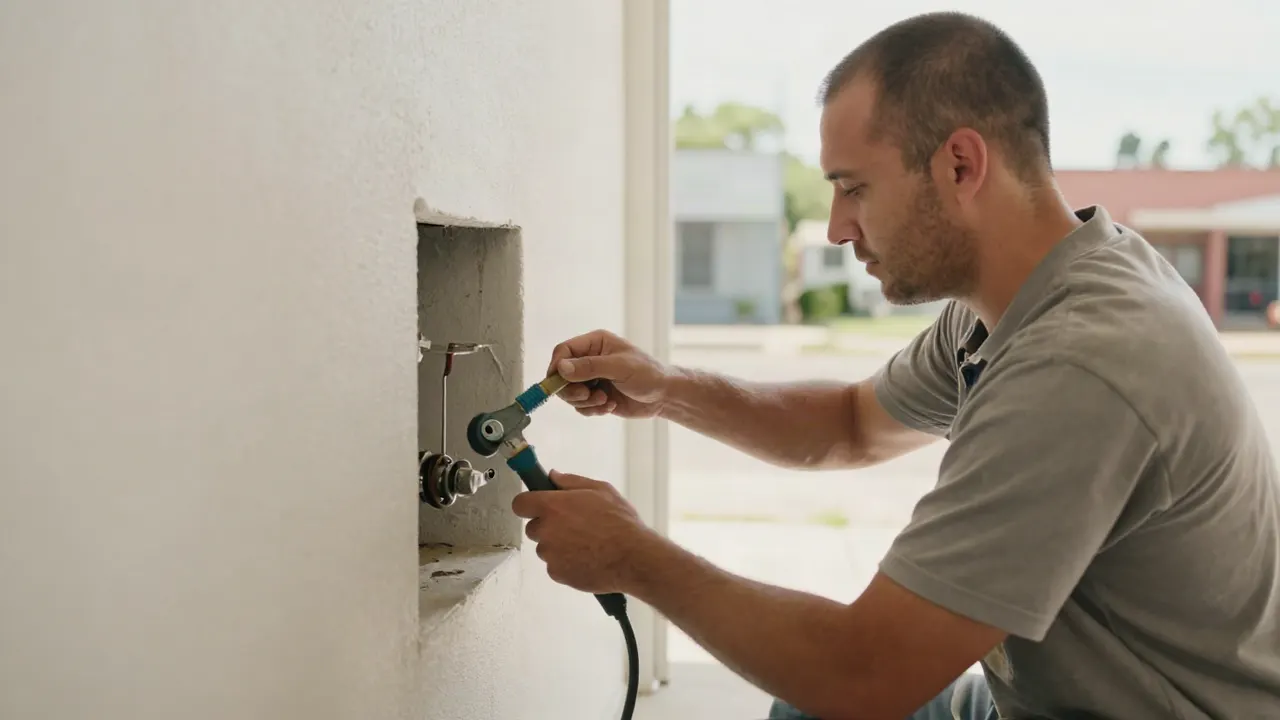
Every job follows the same five steps, whether it is a 10-foot dryer line or a full replacement run. Here is what you can expect from the first call to the final test.
You call and tell us what is happening: new appliance, smell of gas, or a line that needs replacing. We ask about the appliance type, the meter location, and whether the gas is currently on. Most calls take five minutes and we book a same-day or next-day window.
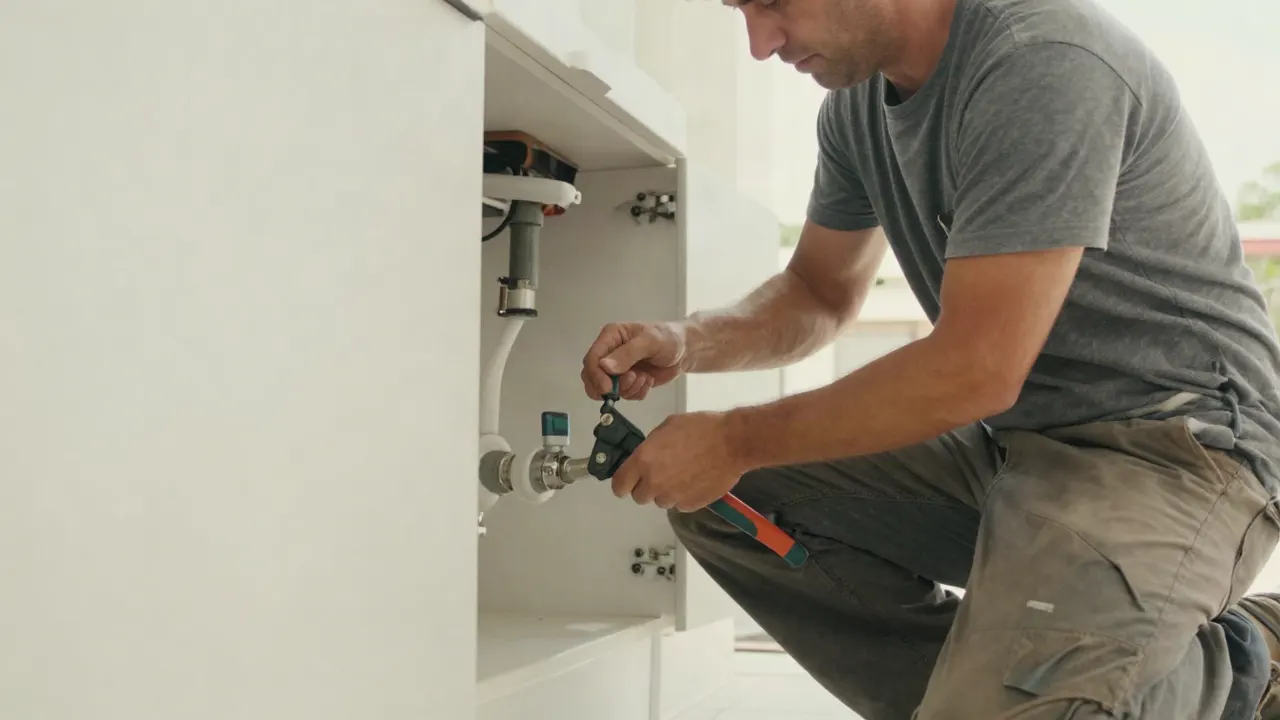
The tech walks the route with you, checks the meter and existing shutoff, and looks at where the new line will run. We measure the run, note any obstacles like slab, crawlspace, or landscaping, and explain the plan before we touch a tool. This takes 15 to 20 minutes.
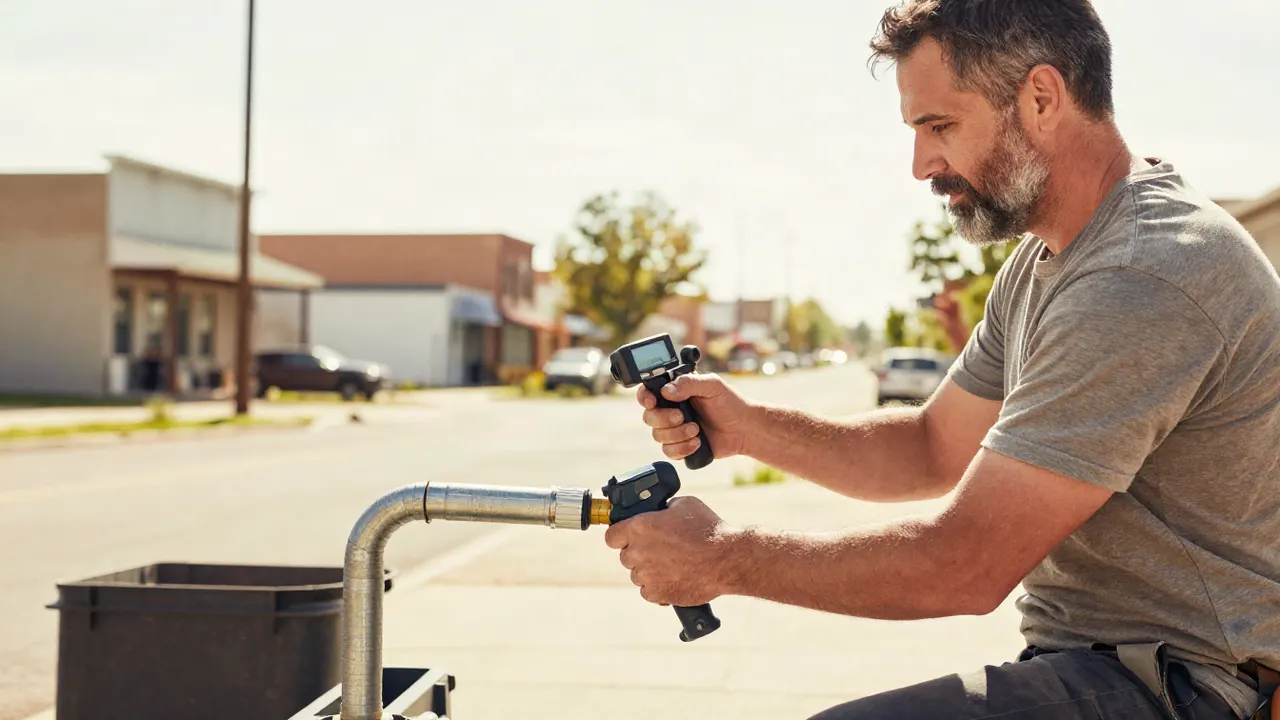
We cut and fit the pipe, thread and seal every joint, and strap the run to code. A typical appliance line takes two to four hours. A full replacement run can take a day or more depending on length and access. We protect floors and work areas as we go.
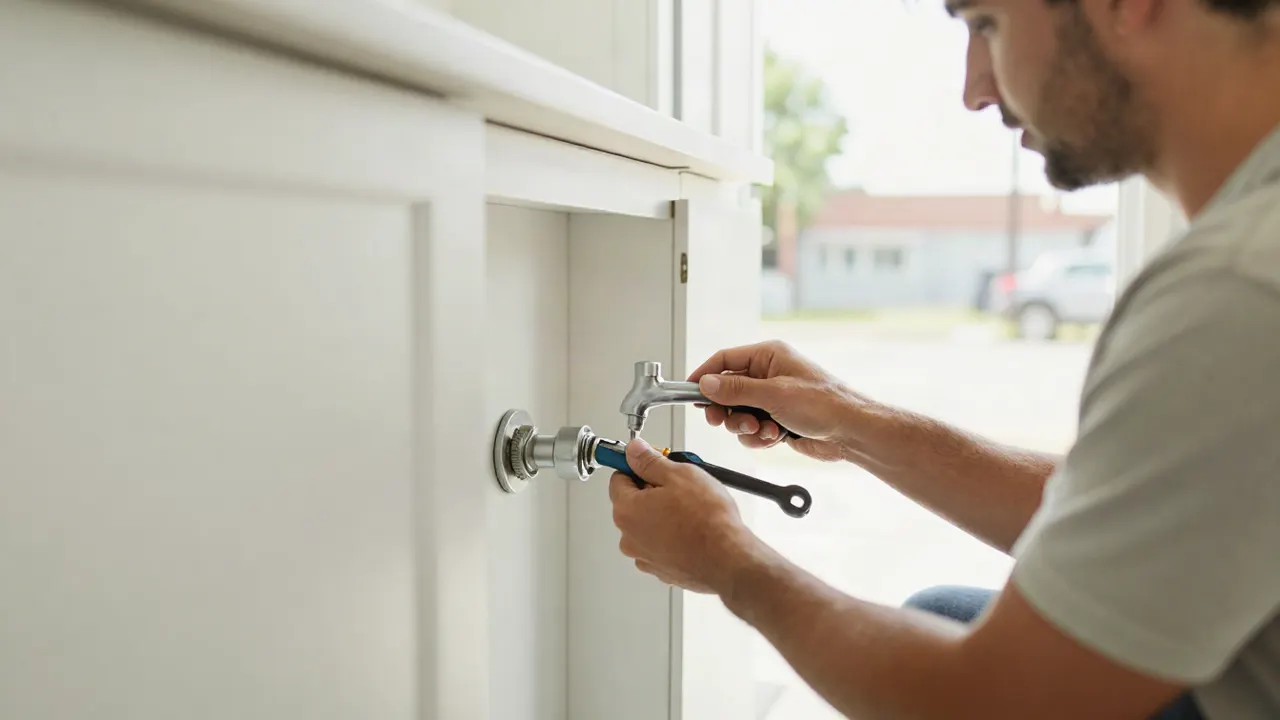
Once the line is in, we cap the end and pressurize the system. We watch the gauge for 15 to 30 minutes to confirm it holds. If it drops, we find the leak, fix it, and test again. We do not reconnect the meter until the test passes clean.
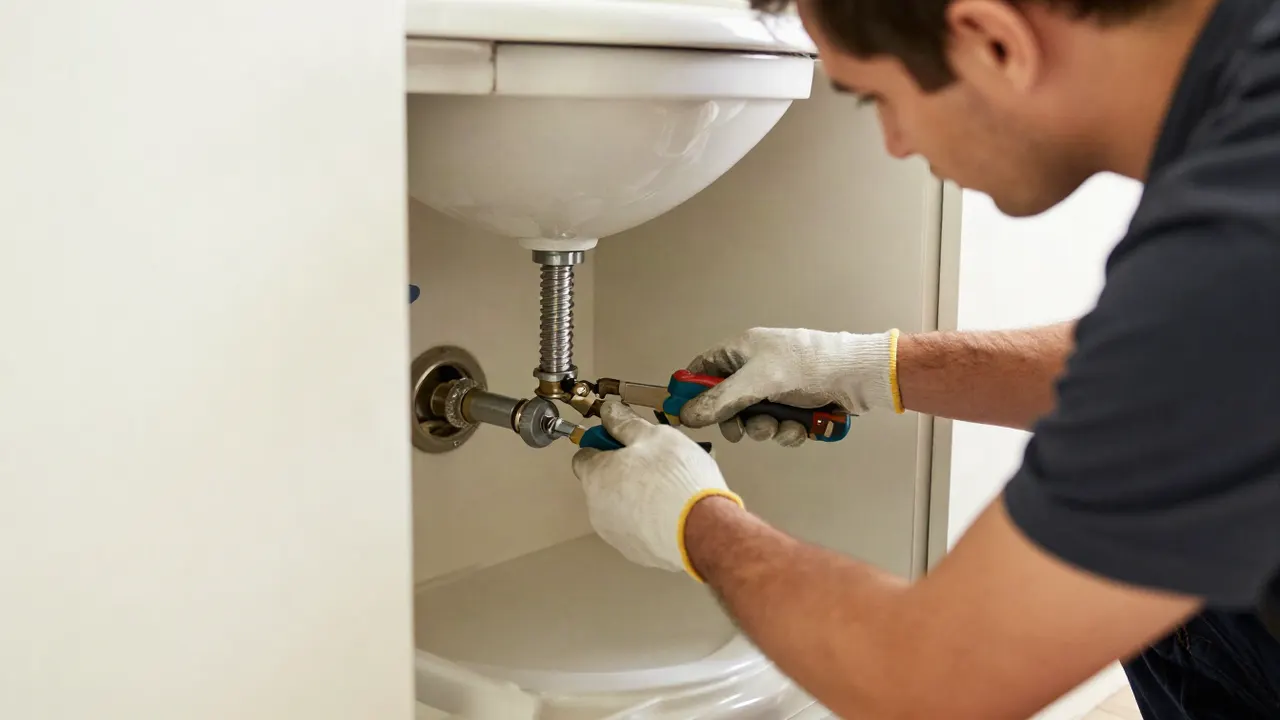
We reconnect the meter, light the appliance, and check for proper flame and draft. Then we walk you through what we did, show you the new shutoff, and leave the test tag on the line. You get a clear explanation and a phone number if anything looks off later.
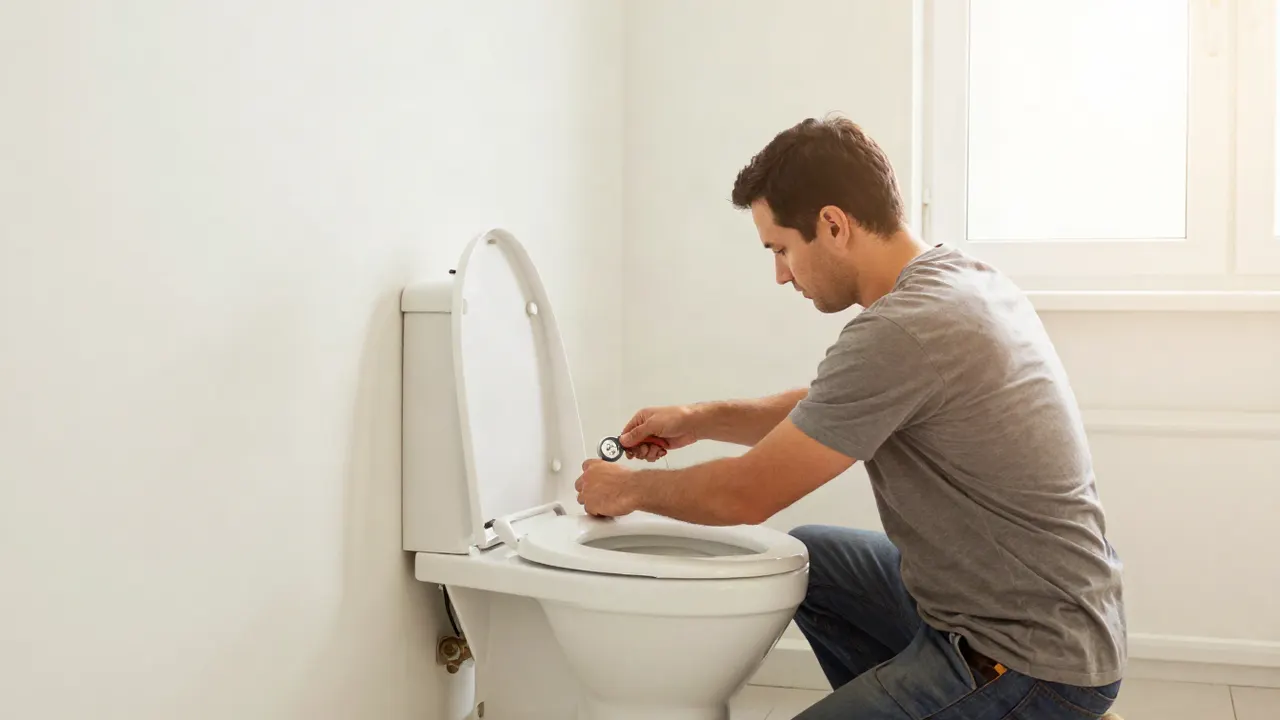
Move across a circle, or focus it and press Enter, for an illustrative thermal view of the photograph.
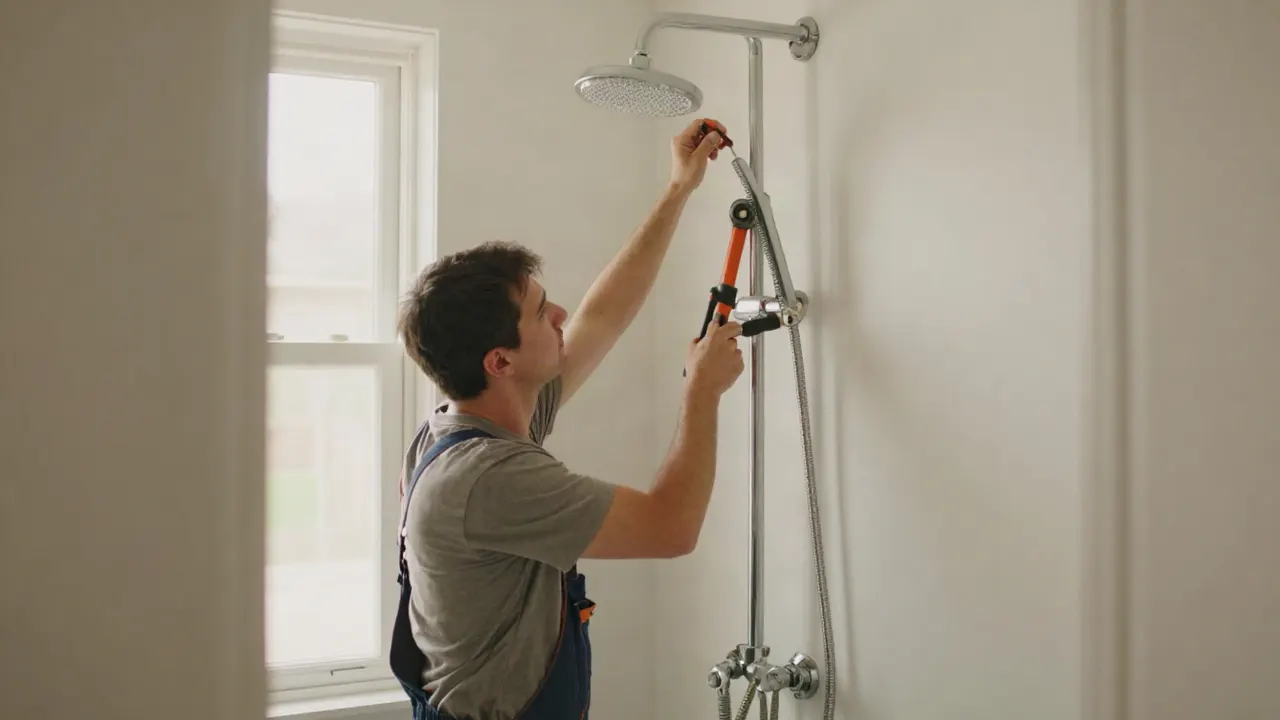
Used to tighten and loosen threaded gas fittings. We carry RIDGID and Milwaukee pipe wrenches in multiple sizes to fit every joint on the job.
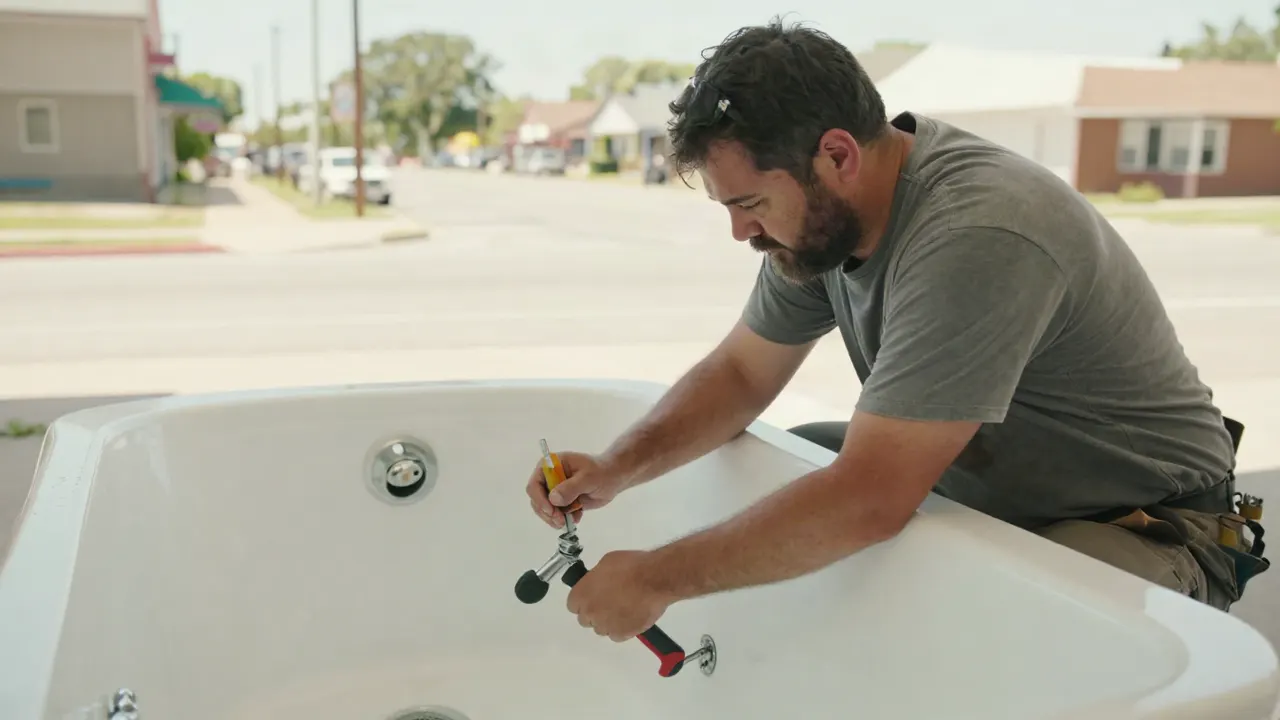
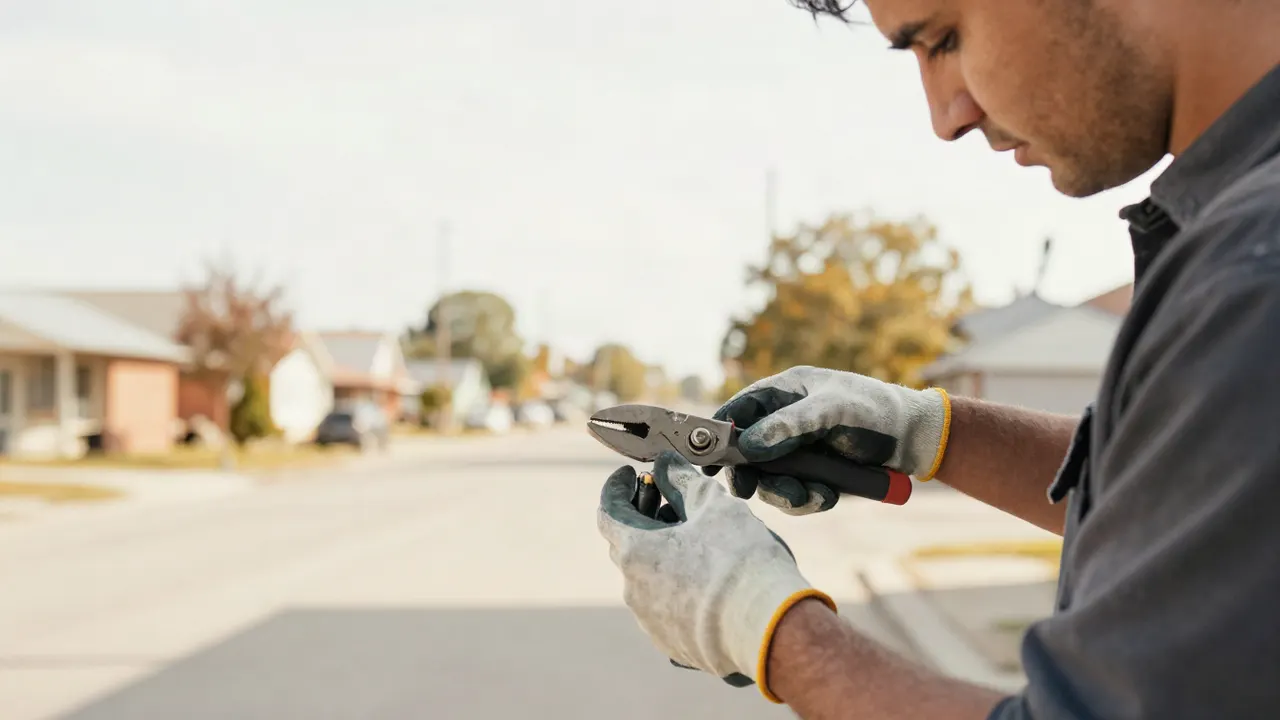
Cuts copper pipe and black steel cleanly so joints seal properly. A square cut is the difference between a leak-free joint and a callback.
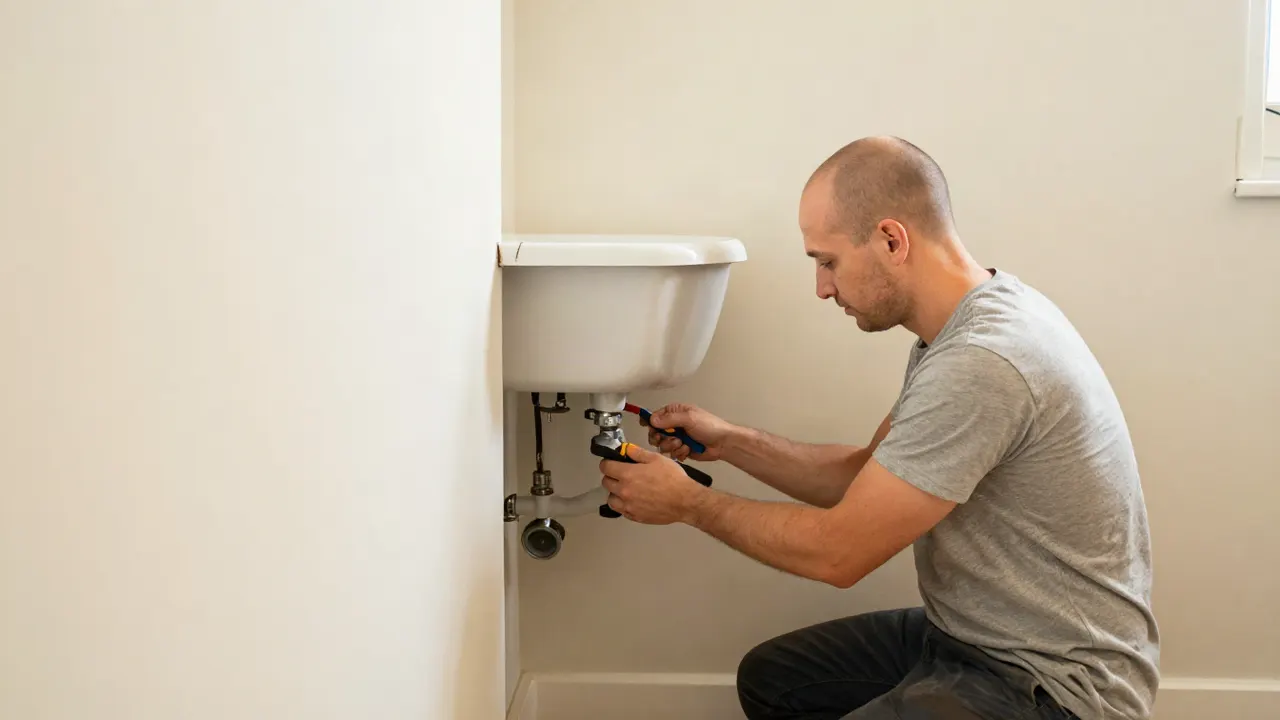
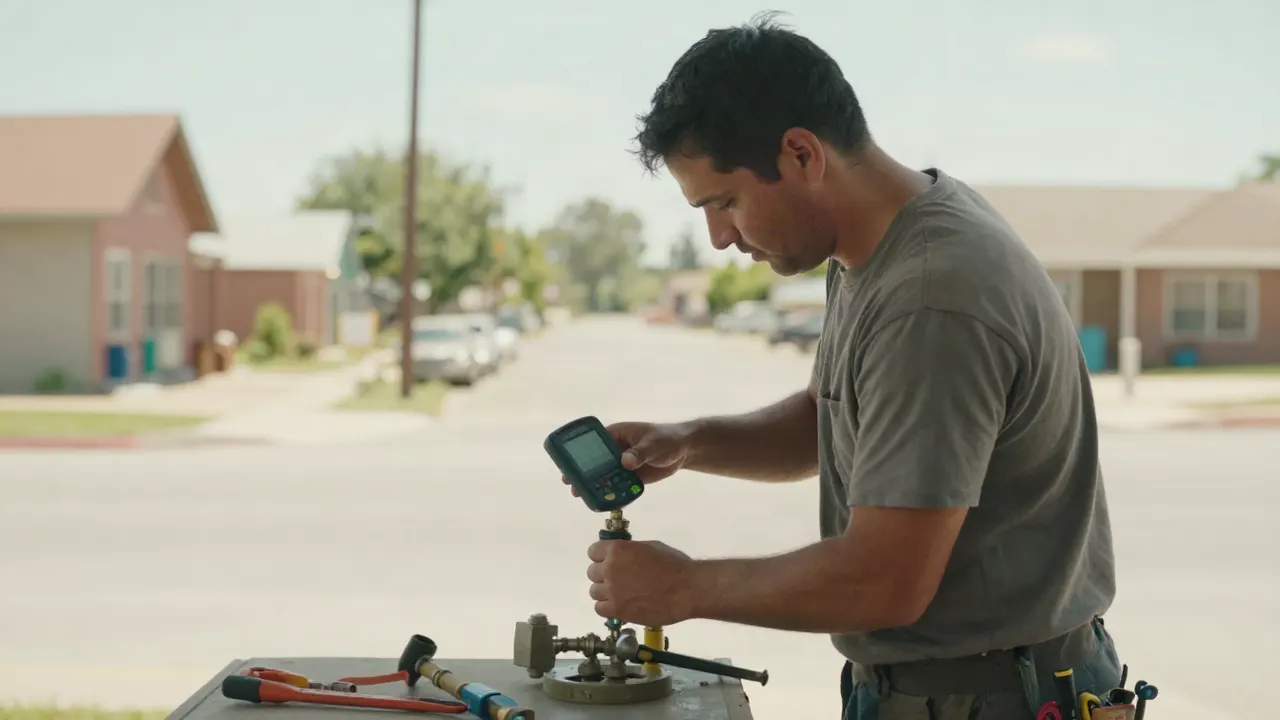
Connects PEX tubing and copper pipe with press fittings. Faster and more consistent than soldering in tight spaces, and it eliminates open-flame risk near gas lines.
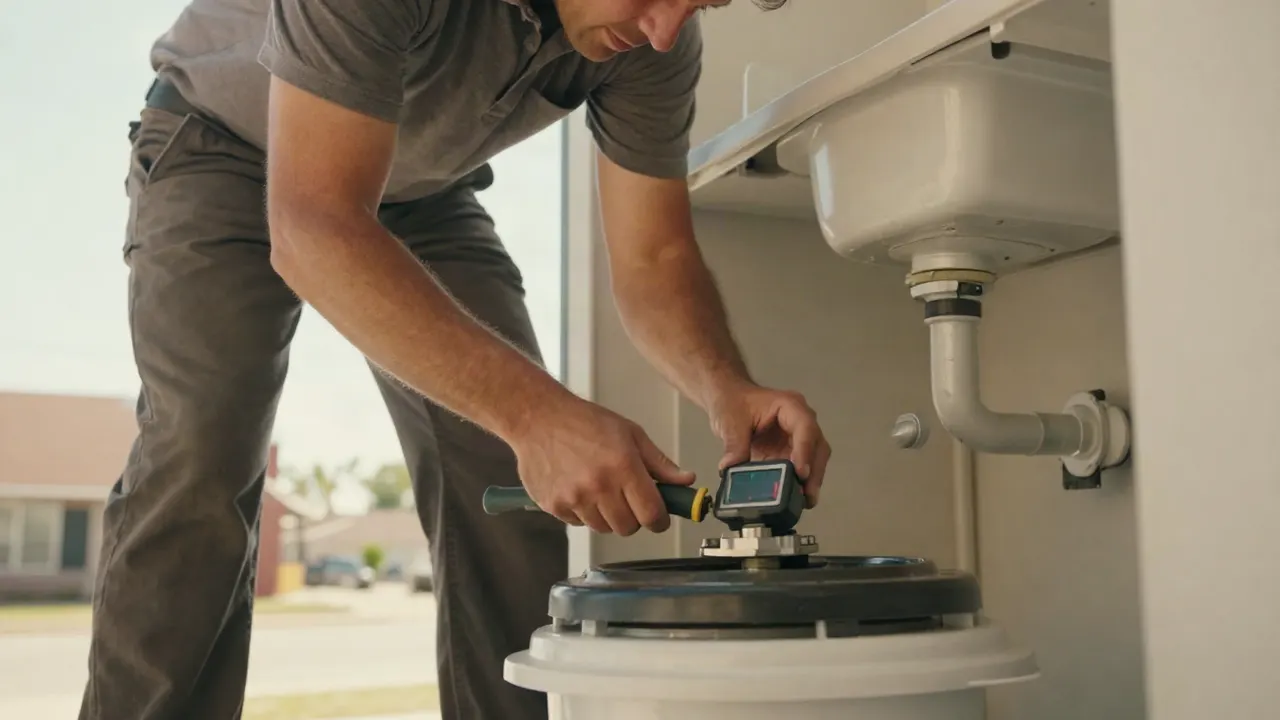
Used for copper pipe joints where soldering is the right method. We keep a fire extinguisher on hand and follow safe practices any time we use an open flame.
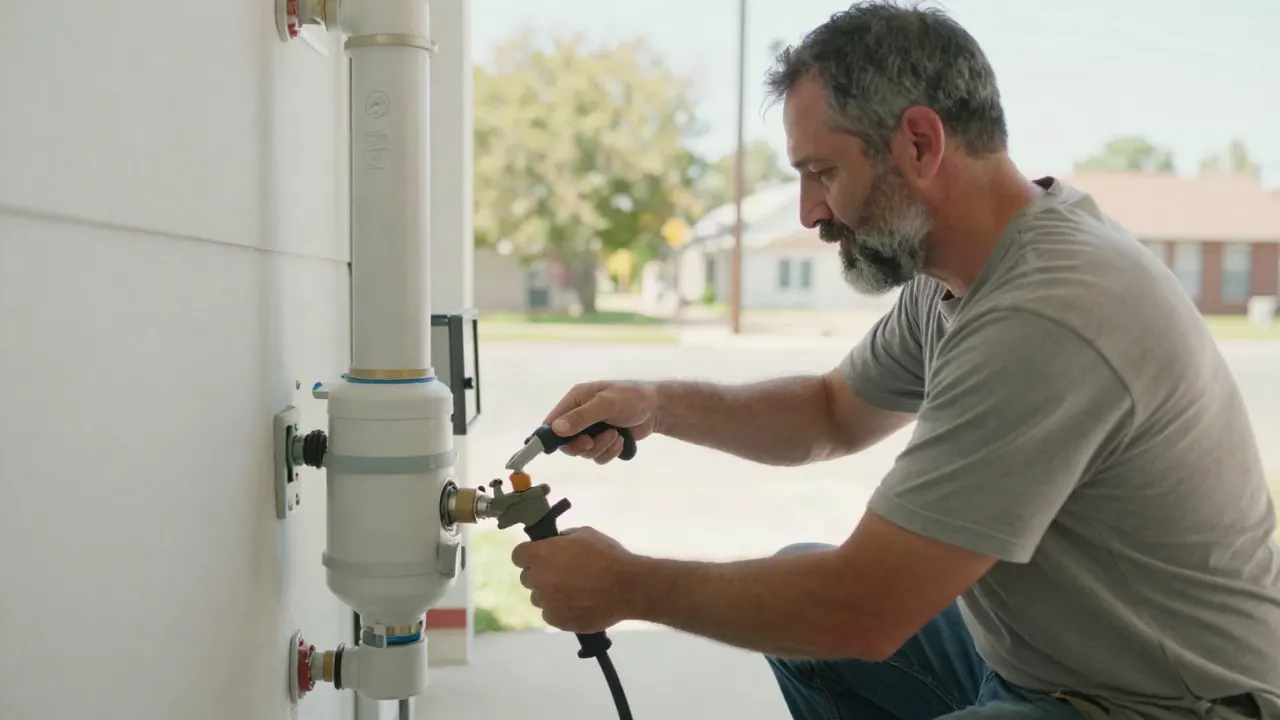
Finds gas leaks that are not visible to the eye, including leaks inside walls or under slabs. It lets us pinpoint the source before we open anything up.
Thermal views are illustrative, generated from the photographs.
Used to pressure-test the gas line after installation or repair. We hold the gauge for 15 to 30 minutes to confirm the system holds pressure with zero drop.
The UPC sets the standard for gas line sizing, support spacing, and shutoff placement. We follow it on every job, along with the International Plumbing Code where local amendments apply. That means your line passes inspection the first time.
We cap the line, pressurize it, and watch the gauge for 15 to 30 minutes. If the pressure drops, there is a leak. We find it, fix it, and test again. We do not reconnect the meter until the test passes clean.
When we suspect a leak, we isolate sections of the line and test each one. A leak detection camera and soap test confirm the exact location. This method finds the problem fast without tearing into walls unnecessarily.
We choose copper pipe, PEX tubing, or black steel based on the application, the environment, and the code. Underground runs get different treatment than indoor runs. The right material means a longer-lasting line.
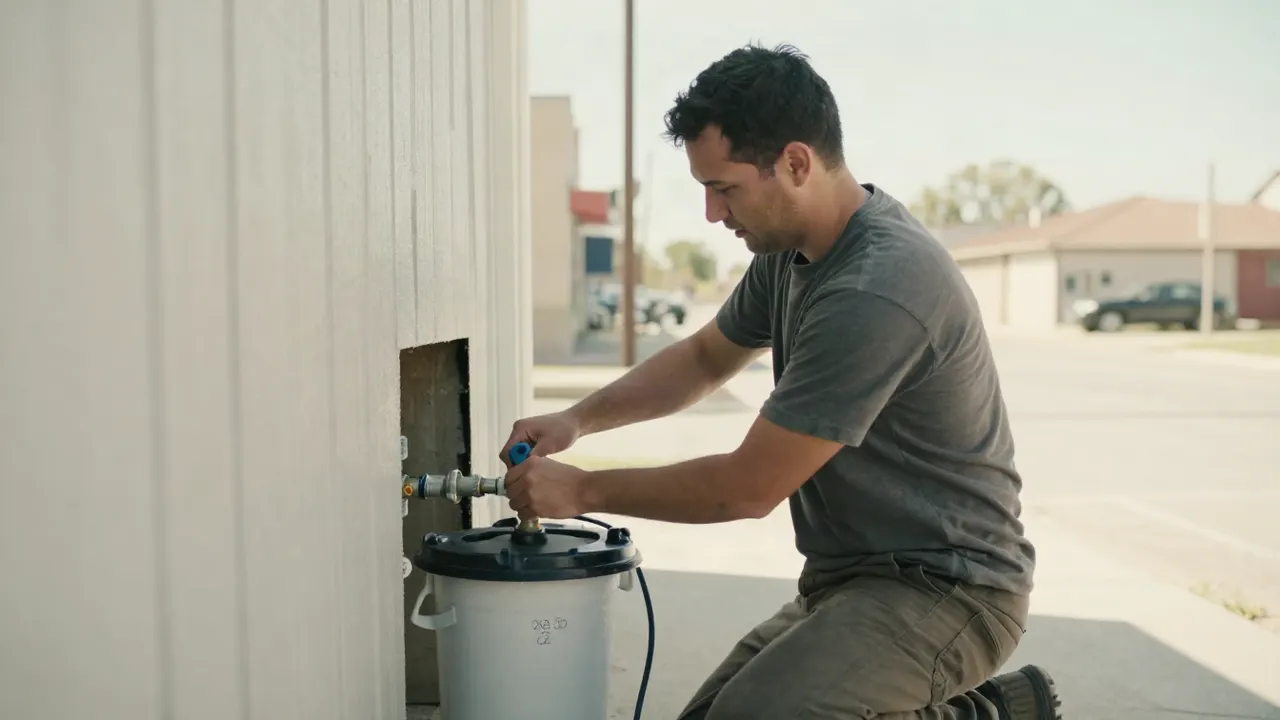
You are adding a gas range or dryer to a home that has never had one.
We run a new line from the meter to the appliance location, sizing it to the BTU load. We cut through the wall or floor cleanly, strap the line to code, and pressure-test before hookup. Most single-appliance runs take two to four hours.
Outcome: You get a code-correct gas line, a passing inspection, and an appliance that fires reliably from day one.
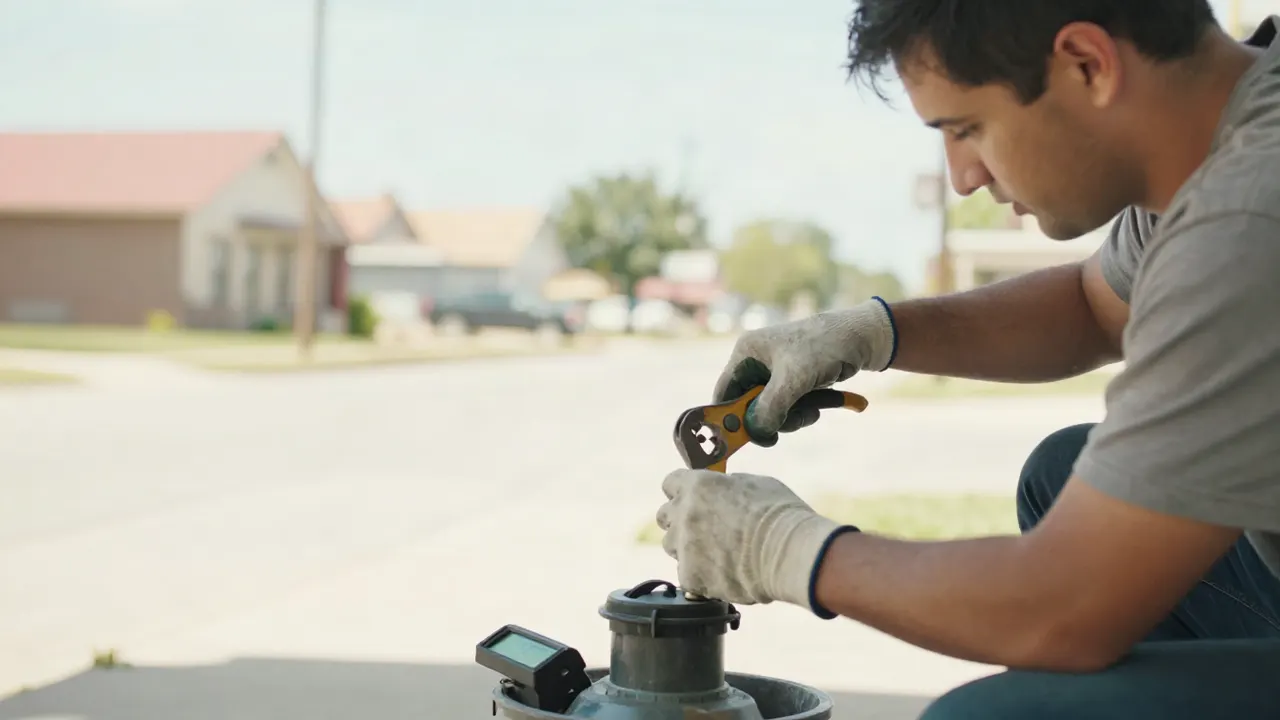
Your gas water heater is not firing and you suspect the line.
We diagnose the heater and the line together. If the line is partially blocked or undersized, we clear or replace it. If the heater is the problem, we repair or replace it. We work with Rheem, Navien, and Bradford White units.
Outcome: Hot water back the same day in most cases, with a line that is properly sized for the heater.
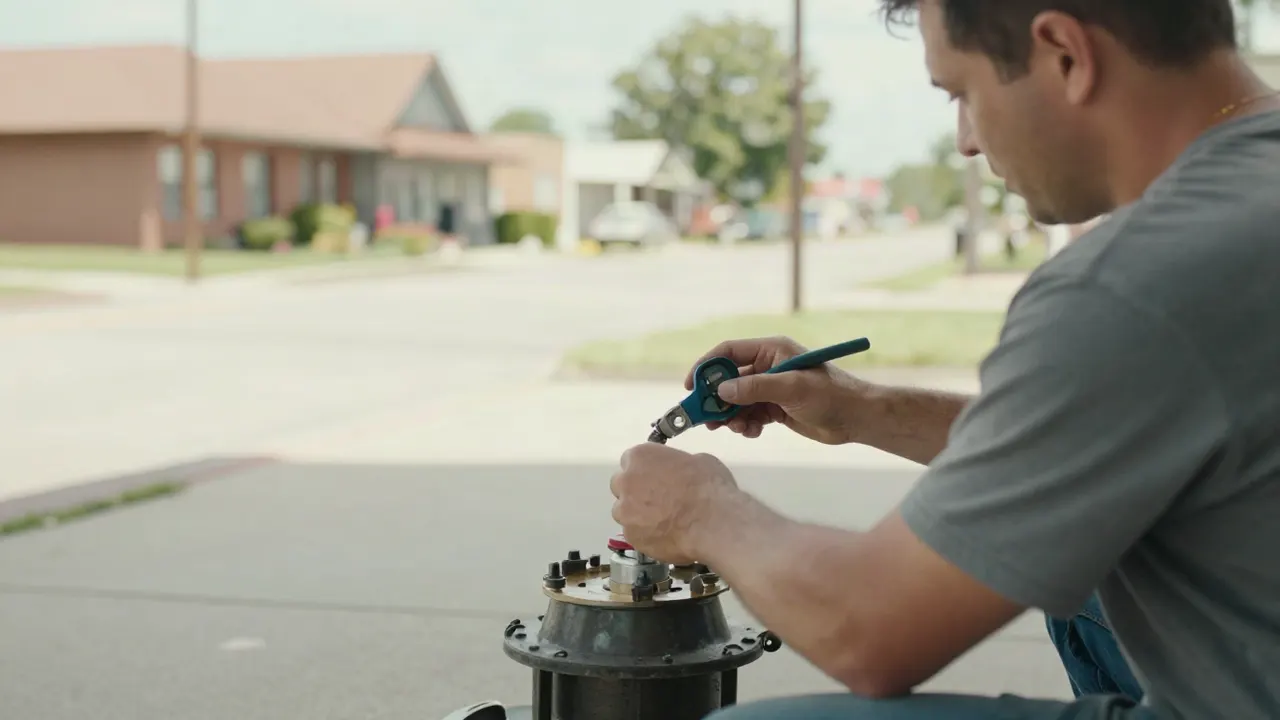
You smell gas in the house and need it checked now.
Call us and leave the house. We shut the line down, find the leak with a leak detection camera, repair it, and pressure-test before turning the gas back on.
Outcome: The leak is fixed and the line is safe. Most emergency calls get a tech on-site the same day.
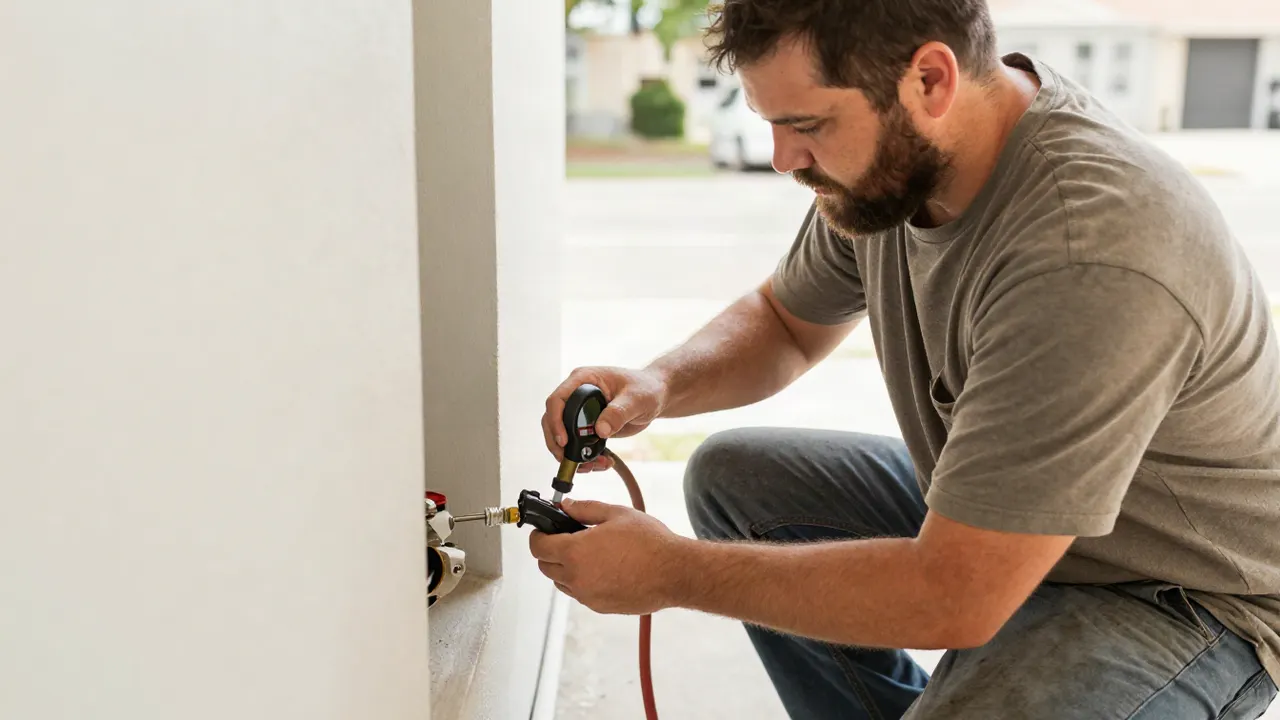
You are remodeling a kitchen and want a gas cooktop plus a new sink.
We run the gas line for the cooktop and install the sink and faucet in the same visit. We work with Moen, Delta, and Kohler fixtures and make sure both the gas and water connections are correct.
Outcome: One crew, one walkthrough, and a kitchen that is ready for the countertop template.
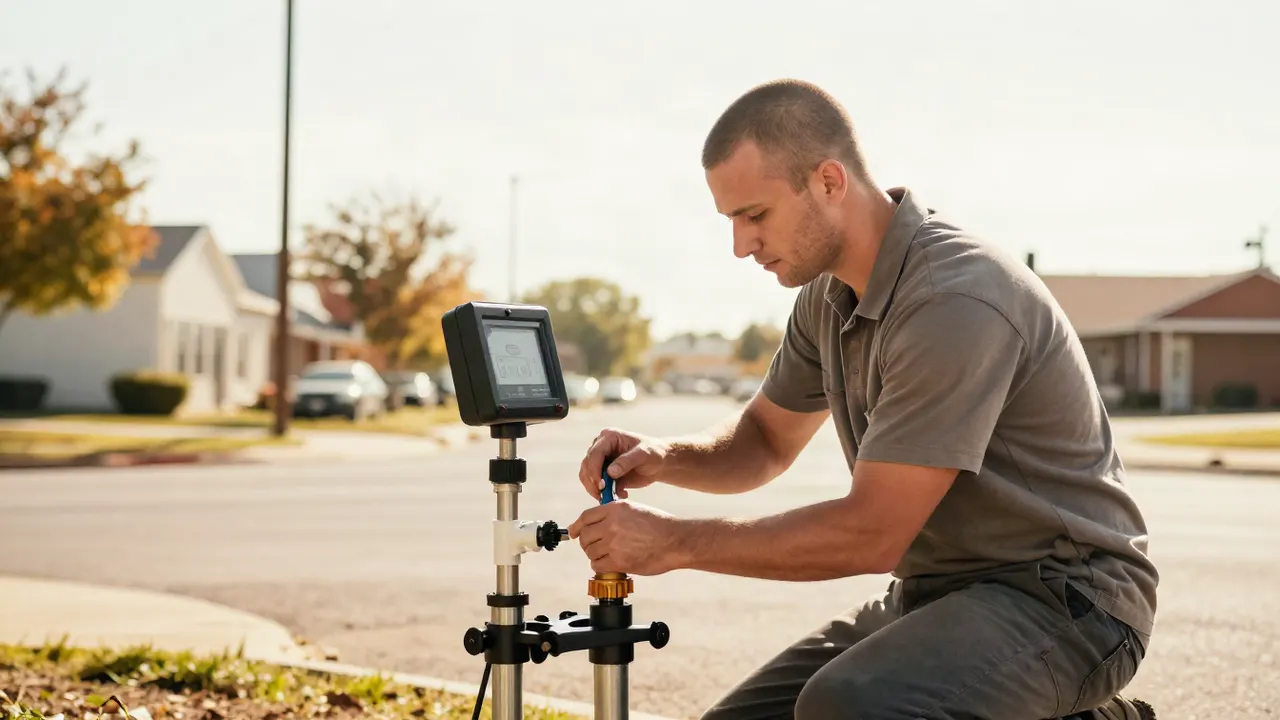
Your outdoor kitchen or fire pit needs a gas line run.
We run copper pipe or PEX tubing from the meter to the outdoor location, bury it at the correct depth, and install a shutoff you can reach. We pressure-test the run and check the flame on the appliance.
Outcome: A safe, code-correct outdoor gas line that is ready for grilling and entertaining.
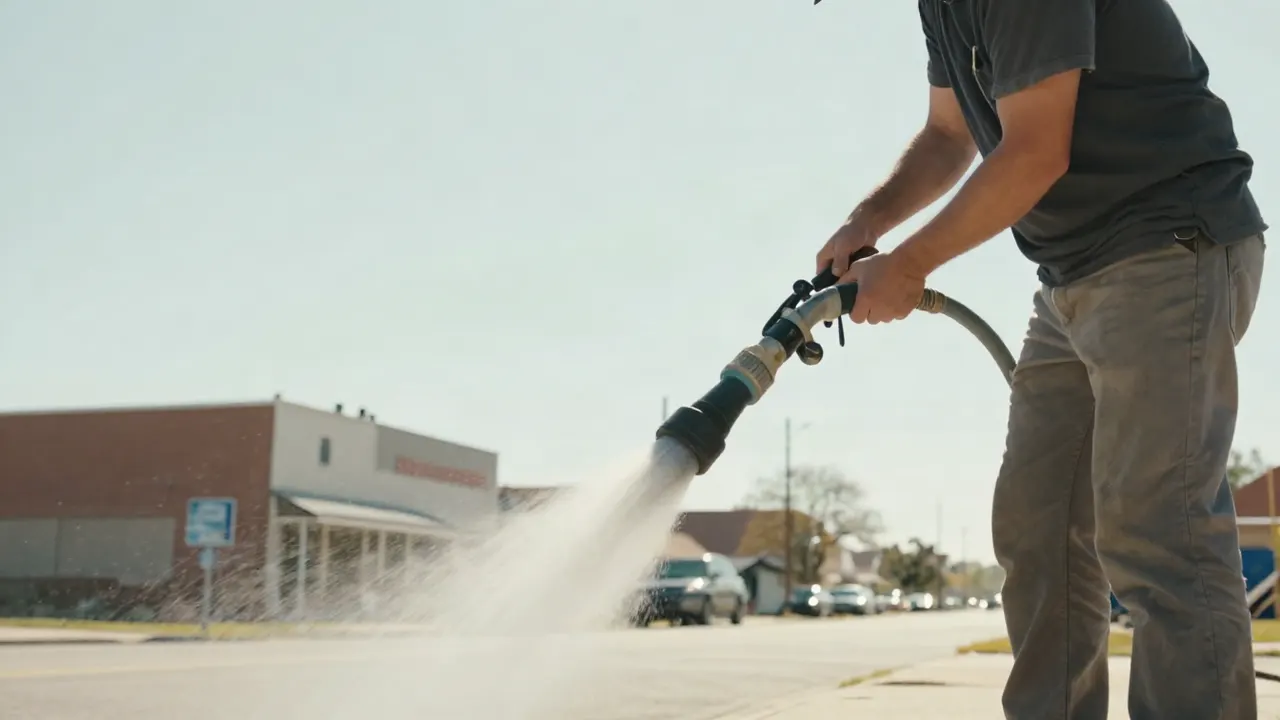
Weatherford sits in Parker County, where the clay soil expands and contracts with the seasons. That movement stresses buried gas lines and can crack fittings over time. We see it most in older homes near Historic Downtown, where original black iron lines have been in the ground for 40 or 50 years. Newer builds in Weatherford Heights and Crestview Estates often need lines extended for outdoor kitchens and fire pits.
Our winters bring occasional hard freezes, and a frozen or cracked gas line is a real risk if the line is not buried deep enough. We bury outdoor runs below the frost line and pressure-test every job. If you need gas line replacement Weatherford TX, we can usually schedule it within a few days.
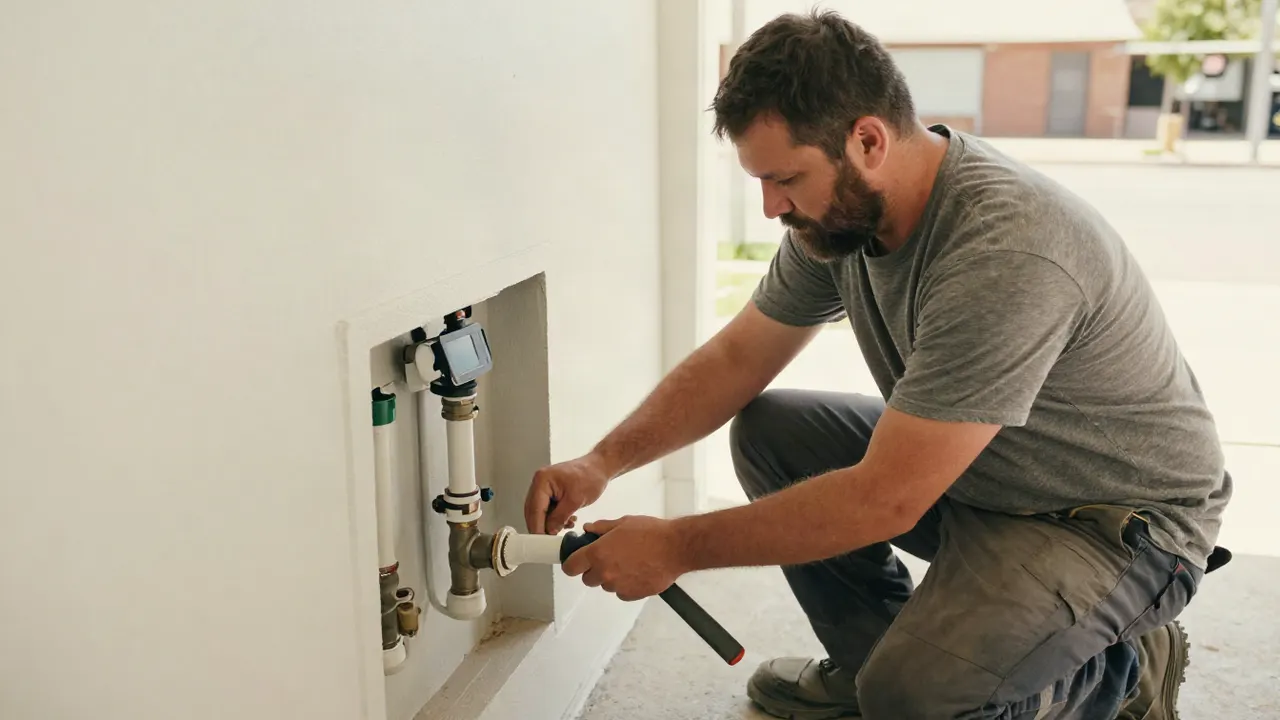
Before: A homeowner in Historic Downtown Weatherford smelled gas near the water heater. The original black iron line had a cracked fitting and visible corrosion along a 6-foot section. The gas had been shut off at the meter.
After: We replaced the corroded section with new copper pipe, installed a new shutoff valve, and pressure-tested the run. The gauge held steady for 30 minutes. The homeowner had hot water back the same afternoon.
We recommended a visual check of the line every fall and a pressure test every three to five years. Older black iron lines should be inspected any time you smell gas.
Before: A family in Weatherford Heights was building an outdoor kitchen and needed a gas line run to a grill and a fire pit. The meter was on the opposite side of the house, about 45 feet away.
After: We ran 45 feet of copper pipe from the meter, buried it at the correct depth, and installed a shutoff at the outdoor kitchen. The pressure test passed, and the inspection signed off the first time. The grill and fire pit both fired correctly.
Keep the outdoor shutoff accessible and check the line for physical damage after any landscaping work. We recommend a pressure test every few years.
Before: A homeowner in Willow Park installed a Navien tankless water heater but the unit kept shutting off. The existing gas line was sized for the old tank heater and could not deliver enough volume.
After: We replaced the undersized line with a larger copper run sized to the tankless unit's BTU requirement. The heater fired reliably and held temperature through a long shower. The pressure test passed clean.
Flush the tankless heater once a year and have the gas line pressure-tested every three to five years. If the unit starts short-cycling, call us to check the line.
Gas line issues do not fix themselves, and some of them are dangerous. Here are the most common problems we see in Weatherford homes and how we handle them.
A code-correct gas line that holds pressure and passes inspection.
We pressurize the new or repaired run and hold it to confirm zero drop before we reconnect the meter. That test takes 15 to 30 minutes and it is not optional. If a joint weeps, we cut it out and redo it on the spot, not on a callback.
We install copper pipe, PEX tubing, or black steel to Uniform Plumbing Code and International Plumbing Code specs, with the right brass fittings and Teflon tape on every threaded joint. No shortcuts, no mismatched fittings, no flex line where rigid pipe belongs.
Smell gas at 7 a.m. and we can usually have a tech at your door the same morning. We shut the line down, use a leak detection camera and soap test to find the source, and tell you straight whether it is a fitting, a valve, or a section that needs replacement.
We cut drywall clean, run the line where it belongs, and patch or strap it so it looks intentional. You get a straight run, proper support every 6 feet, and a shutoff valve you can actually reach. No dangling pipe, no mystery holes in the ceiling.
Clear records you can keep and share.
Left on the line after a passing test
Before and after shots of the run
Itemized with the price you agreed to
Shows where the new shutoff is
The pipe material matters as much as the installation. Here is how the three common options compare.
Durable and long-lasting for indoor and outdoor runs
Flexible and fast to install for indoor runs
Traditional material for gas lines in older homes
A list like this tells people straight away whether you cover their street. Not listed? Call and ask: it only takes a minute.
Based in weatherford and covering the places around it. Pick one for local details.
The price depends on run length, whether we are cutting through slab or crawlspace, and the pipe material. We give you a written number before we start, so there are no surprises.
We do. Weatherford Parker Ridge Plumbing has been repairing gas lines in Parker County since 2010. Call us and we can usually get a tech out the same day for a leak or a failed appliance hookup.
Yes. We run gas line service in Weatherford TX for homes and businesses across Parker County, including Downtown Weatherford, Weatherford Heights, Willow Park, and Brock. That covers new installations, replacements, leak repairs, and appliance hookups for ranges, dryers, water heaters, and outdoor grills. One call covers the whole job.
The clearest sign is smell: natural gas has a rotten-egg odor added so you can detect it. You may also hear a hiss near a fitting, see dead grass over a buried line, or notice a spike in your gas bill. If you smell gas, leave the house and call us from outside. We will shut the line down and find the source.
Other services from the same team.
If you smell gas or need a new line run, call us now. We serve all of Parker County and can usually get a tech out the same day.
Call (682) 846-2111 or email info@weatherfordparkerridgeplumbing.com and we will get you on the schedule. If you are in ZIP code 76086 or 76087, we are already nearby.